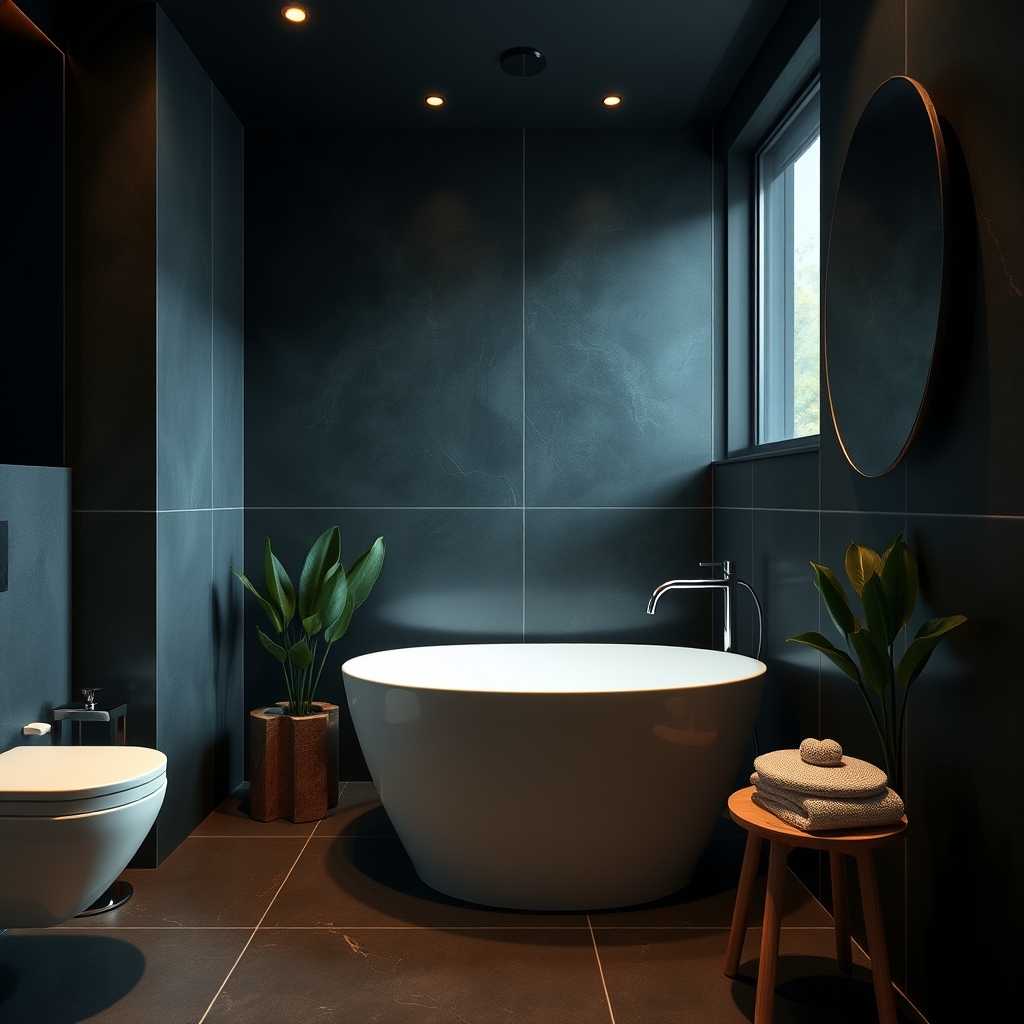
Bathroom Renovation Sydney: Transform Your Space with Expert Design and Craftsmanship
Learn more about Bathroom Renovation Sydney and how it applies to your specific needs.
Embarking on a project is one of the most rewarding home improvements you can undertake. The bathroom is no longer just a functional space; it has become a personal sanctuary where you start and end your day. Whether you are looking to increase property value, improve energy efficiency, or simply create a more relaxing environment, a well-planned renovation can make a significant difference. In Sydney’s competitive real estate market, a modern, stylish bathroom can set your home apart. From selecting the right fixtures to choosing durable materials, every detail matters. This guide will walk you through the essential steps, design trends, and practical considerations for a successful bathroom renovation in Sydney.
Learn more about Bathroom Renovator and how it applies to your specific needs.
Before diving into demolition, it is crucial to establish a clear vision and budget. A typical bathroom renovation in Sydney can range from a simple cosmetic update to a complete structural overhaul. Factors such as the size of the space, the quality of materials, and the complexity of plumbing and electrical work all influence the final cost. Working with a professional ensures that your project runs smoothly, adheres to local building codes, and stays within your timeline. Experienced renovators can also help you avoid costly mistakes, such as improper waterproofing or inefficient layouts. Whether you are updating a small ensuite or a spacious master bathroom, careful planning is the foundation of a successful outcome.
Why Choose a Professional Bathroom Renovator in Sydney?
Hiring a skilled brings expertise that goes beyond aesthetics. Sydney homes often have unique architectural features, from heritage terraces to modern apartments, each with its own set of challenges. A professional understands how to work with existing plumbing, structural constraints, and council regulations. They can also provide valuable insights into materials that withstand Sydney’s humid climate, such as non-porous tiles, anti-fungal paint, and moisture-resistant cabinetry. Moreover, a reliable renovator coordinates with plumbers, electricians, and tilers, ensuring that every phase of the project is completed to a high standard. This not only saves you time but also protects your investment. When you choose a trusted expert, you gain peace of mind knowing that your renovation is in capable hands.
Key Steps in a Successful Bathroom Renovation
A well-executed follows a structured process. The first step is a thorough assessment of your existing bathroom. Identify what works and what needs improvement. Are you satisfied with the layout? Is there enough storage? Does the lighting meet your needs? Once you have a clear brief, the next phase is design and material selection. This is where you can get creative with colour schemes, fixture styles, and textures. After finalising the design, the renovation moves to demolition, followed by rough-in work for plumbing and electrical systems. Waterproofing is a critical step that must be done correctly to prevent future damage. Finally, installation of tiles, vanities, toilets, showers, and accessories brings the new bathroom to life. Throughout this journey, communication with your renovator is key to achieving the desired result.
Top Design Trends for Bathroom Renovations in Sydney
Sydney homeowners are embracing a blend of timeless elegance and contemporary innovation. One popular trend is the use of natural materials such as stone, timber, and matte finishes. Earthy tones like sage green, warm beige, and charcoal grey are replacing stark white, creating a calming spa-like atmosphere. Large-format tiles with minimal grout lines make small bathrooms appear more spacious. Freestanding bathtubs, walk-in showers with frameless glass, and floating vanities are also in high demand. Smart technology is another growing feature, including touchless taps, heated floors, and integrated lighting with dimmers. These elements not only enhance comfort but also add a touch of luxury. When planning your renovation, consider how these trends can be adapted to your personal style and the character of your home.
Budgeting and Cost Considerations
Learn more about House Renovations and how it applies to your specific needs.
Understanding the financial side of a project is essential. In Sydney, the average cost of a bathroom renovation can vary widely. A basic cosmetic update might start around $10,000, while a full high-end renovation can exceed $40,000. Key cost drivers include the quality of tiles, cabinetry, benchtops, and fixtures. Labour costs for skilled tradespeople in Sydney are also a significant factor. It is wise to set aside a contingency fund of 10–15% of your total budget for unexpected issues, such as hidden water damage or outdated wiring. To get the best value, obtain multiple quotes and compare what is included in each. A reputable renovator will provide a detailed breakdown of costs, helping you make informed decisions without compromising on quality.
Choosing the Right Materials for Sydney’s Climate
Learn more about Renovation and how it applies to your specific needs.
Sydney’s subtropical climate means bathrooms are exposed to high humidity and occasional temperature fluctuations. Selecting materials that can withstand these conditions is vital for longevity. Porcelain and ceramic tiles are popular for their durability and water resistance. Natural stone like marble or travertine requires regular sealing but offers unmatched beauty. For cabinetry, marine-grade plywood or moisture-resistant MDF with a high-quality sealant is recommended. Ventilation is another critical aspect; a powerful exhaust fan can prevent mould and mildew. When it comes to fixtures, brushed nickel, matte black, and gunmetal finishes are trending and are less prone to water spots. Your specialist can guide you toward the best options for your specific environment, ensuring your new bathroom remains beautiful and functional for years to come.
Maximising Space in Small Bathrooms
Many Sydney homes, especially in older suburbs and apartments, have compact bathrooms. With clever design, even a small space can feel open and luxurious. Start by choosing a wall-mounted vanity to create the illusion of more floor space. A corner shower or a wet room design eliminates the need for a bulky shower enclosure. Mirrors are your best friend—large, strategically placed mirrors reflect light and make the room appear larger. Recessed shelving in shower niches and above the toilet provides storage without encroaching on the room. Light colours on walls and floors also help to open up the space. A skilled renovator can suggest layout modifications that improve flow and functionality, turning a cramped bathroom into a comfortable retreat.
Eco-Friendly and Sustainable Renovation Options
Sustainability is becoming a priority for many Sydney homeowners. A green bathroom renovation reduces water and energy consumption while lowering utility bills. Install water-efficient toilets, low-flow showerheads, and sensor taps to conserve water. LED lighting uses less electricity and lasts longer. Consider recycled or reclaimed materials for tiles, vanities, or benchtops—they add character and reduce environmental impact. Natural ventilation and high-performance insulation also contribute to a healthier indoor environment. By incorporating these eco-friendly features, you not only help the planet but also increase the appeal of your home to environmentally conscious buyers. Discuss these options with your professional to find the best solutions for your project.
Common Pitfalls to Avoid
Even with careful planning, bathroom renovations can encounter issues. One common mistake is underestimating the importance of waterproofing. Inadequate waterproofing can lead to leaks, mould, and structural damage that is expensive to repair. Another pitfall is choosing style over function—a beautiful bathroom that lacks adequate storage or poor lighting will not serve you well. Changing your mind mid-project can also cause delays and increase costs. To avoid these problems, finalise all design decisions before work begins. Ensure your renovator provides a clear timeline and regular updates. Finally, do not overlook permits and approvals; certain renovations require council approval in Sydney. A professional renovator will handle these details, keeping your project compliant and stress-free.
FAQs
How long does a typical bathroom renovation take in Sydney?
Depending on the scope of work, a standard bathroom renovation can take anywhere from 2 to 6 weeks. Simple cosmetic updates may be quicker, while full structural changes, custom cabinetry, or complex tiling can extend the timeline. Your renovator will provide a realistic schedule based on your specific project.
Do I need council approval for a bathroom renovation in Sydney?
Generally, minor cosmetic renovations like replacing fixtures, tiles, or vanities do not require council approval. However, if you are altering the layout, moving plumbing or electrical points, or changing the structure of the room, you may need a development application or complying development certificate. Always check with your local council or consult your renovator.
How much does a bathroom renovation cost in Sydney?
Costs vary widely based on size, materials, and labour. A basic renovation starts around $10,000–$15,000, while a mid-range renovation averages $20,000–$30,000. High-end renovations with premium finishes can exceed $40,000. Getting multiple detailed quotes is recommended to understand the market.
What is the most important aspect of a bathroom renovation?
Waterproofing is the most critical element. Without proper waterproofing, your renovation is vulnerable to moisture damage, mould, and structural issues. Ensure your renovator follows Australian standards and uses high-quality waterproofing products. Good planning and quality materials are also essential for long-lasting results.