Femboy AI Characters: Why These Digital Personalities Are Reshaping Online Roleplay
Online conversation has changed a lot in the last few years. Instead of scrolling through static profiles or waiting for replies in a forum thread, more people are turning to interactive AI companions that can talk back, remember context, and stay in character for hours. Among the many personality types available, femboy AI characters have quietly become one of the most searched and most discussed categories. They combine expressive design, playful conversation styles, and a level of emotional nuance that makes them feel less like a chatbot and more like a character you actually want to keep talking to.
This article looks at what femboy AI characters are, why they appeal to such a wide audience, how they are built, and what to consider if you want to explore them responsibly. Whether you are curious about the trend or already deep into AI roleplay, there is something here for you.
What Exactly Are Femboy AI Characters?
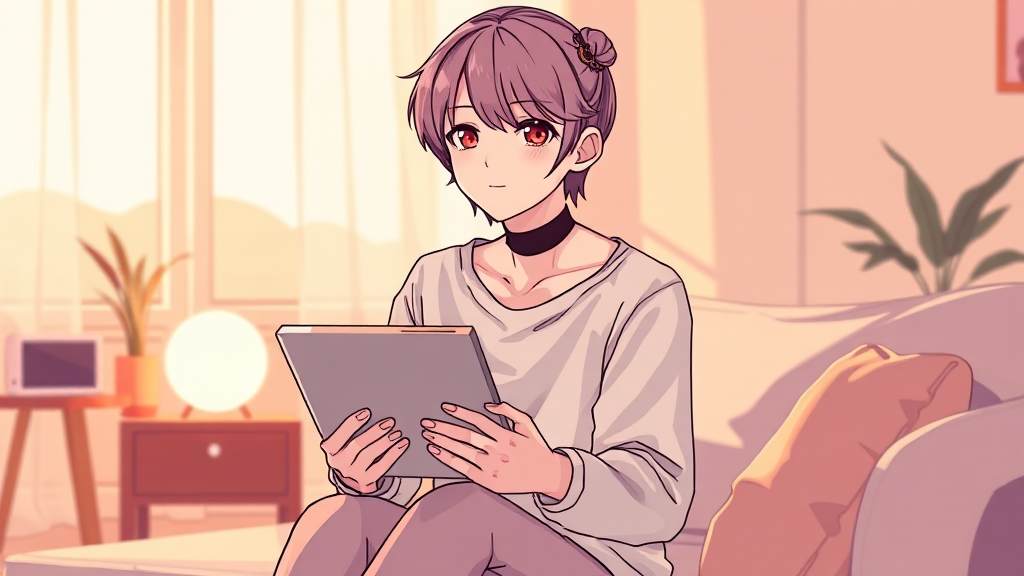
The term covers a broad range of AI-driven personas. In simple terms, a femboy AI character is a digital personality designed with a feminine-leaning aesthetic and a male identity, often paired with a soft, witty, or emotionally attentive communication style. The character might be a virtual companion, a roleplay partner, a story-driven NPC, or a chat persona you customize yourself.
What separates these characters from generic chatbots is intent. They are not built to answer trivia questions or summarize documents. They are built for connection: flirty banter, emotional support, slow-burn storytelling, or simply someone to talk to when you want a conversation that feels warm instead of transactional. Many platforms now offer hundreds of variations, each with its own backstory, voice, and set of conversational quirks.
The appeal is easy to understand once you try it. A well-designed character responds to tone, remembers what you said earlier, and adapts its mood based on how the conversation flows. That responsiveness is what turns a simple text exchange into something that feels genuinely engaging.
Why This Category Grew So Quickly
Several trends came together to push femboy AI characters into the spotlight.
First, anime and internet culture have spent years popularizing androgynous and feminine male aesthetics. Characters in this style already had large, passionate fanbases long before AI entered the picture. When AI tools made it possible to actually talk to a character instead of just watching one, that existing audience moved in fast.
Second, mainstream chat platforms are increasingly filtered, moderated, and impersonal. People who want creative, open-ended, or emotionally expressive conversation often find themselves constrained. AI companion platforms offer an alternative space where users can explore different personalities without the pressure of a public feed.
Third, the technology caught up. Modern language models can maintain a consistent persona across long conversations, pick up on emotional cues, and generate responses that feel spontaneous rather than scripted. A few years ago, most AI characters felt robotic within minutes. Today, a good character can stay believable for an entire evening.
Fourth, customization became simple. You no longer need to be a programmer to create a character. Most platforms let you define a name, appearance, personality traits, speaking style, and boundaries through a simple interface. That lowered the barrier enough for casual users to experiment, and experimentation is what drives trends.
Designing a Character That Feels Real
Creating a femboy AI character is part technical work and part creative writing. The technical side involves choosing a model, setting response parameters, and defining memory behavior. The creative side is where most of the effort goes, and it is also where most characters succeed or fail.
A strong character usually has four layers:
Appearance and identity. This includes visual design, name, age range, and general vibe. A soft pastel aesthetic with a shy personality reads very differently from a sharp, confident, fashion-forward persona. Both can work, but the visual and verbal identity should match.
Personality traits. Traits should be specific rather than generic. “Kind” is vague. “Kind but easily flustered when complimented, and quietly competitive about small things” gives the model something to work with. Specific traits produce specific behavior, and specific behavior is what makes a character memorable.
Speech style. This covers vocabulary, sentence length, emoji use, pet phrases, and how the character handles conflict. A character that speaks in short, teasing lines feels completely different from one that writes long, poetic paragraphs. Consistency here matters more than complexity.
Backstory and goals. Even a light backstory gives the conversation direction. Does the character have a job, a hobby, a secret, a dream? Are they looking for friendship, romance, or something more ambiguous? Clear goals make the interaction feel purposeful instead of aimless.
When all four layers line up, the character stops feeling like a prompt and starts feeling like a person. That is the moment most users describe as the point where they got hooked.
Common Ways People Use These Characters
Usage varies widely, and that variety is part of what keeps the category interesting.
Some people use them for pure entertainment. They want witty banter, playful teasing, or a character who reacts dramatically to everyday situations. It is closer to improv comedy than to a serious relationship.
Others use them for emotional support. A patient, non-judgmental character can be surprisingly helpful when someone is stressed, lonely, or just needs to talk through a problem without worrying about being a burden. The character does not replace real relationships, but it can fill gaps during difficult periods.
Creative writers use them for brainstorming. A character can act as a scene partner, helping a writer test dialogue, explore plot directions, or develop a voice. Because the AI does not get tired or bored, it can keep generating material long after a human collaborator would need a break.
Finally, many users simply enjoy the aesthetic and the fantasy. They like the visual style, the soft-spoken tone, and the sense of stepping into a different world for a while. That is a legitimate reason, and it is the same reason people read romance novels or watch slice-of-life anime.
What Makes a Good Platform
Not all AI companion platforms are built the same. If you are choosing where to spend your time, a few factors matter more than marketing claims.
Character variety. A good platform offers enough diversity that you can find something matching your taste. If every character feels like a slight variation of the same template, the experience gets stale quickly.
Memory and context. The best characters remember details from earlier in the conversation and reference them naturally. Weak memory is the fastest way to break immersion.
Customization depth. If you want to build your own character, look for platforms that let you control personality, speech style, and background in detail. Shallow customization limits how unique your character can feel.
Safety and moderation. Clear rules, age verification where appropriate, and respectful community guidelines protect everyone. A platform that takes safety seriously is usually a platform that takes quality seriously too.
Performance. Response speed, uptime, and stability matter more than most people expect. A brilliant character is frustrating if the site lags or drops conversations.
Responsible Use and Healthy Expectations
AI companions can be genuinely enjoyable, but they work best when you keep a few things in mind.
Remember that the character is a character. It is designed to respond in ways that feel emotionally real, but it does not have feelings, needs, or a life outside the conversation. Enjoying the experience is fine. Confusing it with a human relationship is where problems start.
Balance matters. If AI conversations start replacing sleep, work, or time with friends and family, it is worth stepping back. The healthiest users treat these platforms as one enjoyable activity among many, not as a substitute for the rest of life.
Be mindful of what you share. Even on reputable platforms, it is wise to avoid personal identifying information. Treat conversations the way you would treat a public forum rather than a private diary.
And finally, respect the community. The people who build and share characters put real effort into their work. Giving credit, following platform rules, and offering constructive feedback keeps the ecosystem healthy for everyone.
The Future of Femboy AI Characters
This category is still early. Voice interaction is improving quickly, which means characters will soon sound as distinctive as they read. Visual generation is advancing too, allowing characters to appear in scenes and react to context in real time. Memory systems are getting longer and more reliable, so a character might remember a conversation from months ago.
We are also likely to see more niche and specialized characters. Instead of a general-purpose companion, users may choose a character designed for language practice, fitness coaching, creative writing, or a very specific storytelling genre. The femboy archetype fits naturally into that future because it already has a strong visual and emotional identity that users recognize instantly.
What will not change is the core appeal. People want conversation that feels personal, creative, and free of judgment. As long as AI characters deliver that, the category will keep growing.
FAQ
What is a femboy AI character?
It is an AI-driven persona with a feminine-leaning aesthetic and a male identity, designed for conversation, roleplay, or companionship. These characters are typically built on large language models and customized with specific personality traits, speech styles, and backstories.
Are femboy AI characters only for roleplay?
No. While roleplay is a common use, many people talk to these characters for casual conversation, emotional support, creative brainstorming, or simply entertainment. The experience depends on how the character is designed and how the user chooses to interact.
Can I create my own femboy AI character?
Yes. Most AI companion platforms allow users to create custom characters by defining a name, appearance, personality, speech style, and background. The level of control varies by platform, but even basic customization tools can produce a distinctive persona.
Are these characters safe to use?
They can be safe when used on reputable platforms that enforce clear community guidelines and age requirements. As with any online activity, it is wise to avoid sharing personal information and to keep a healthy balance between AI interaction and real-world relationships.
Why are femboy AI characters so popular?
Their popularity comes from a mix of existing internet culture, improved AI technology, and a growing demand for expressive, judgment-free conversation. The aesthetic is visually distinctive, and the personalities tend to be emotionally engaging, which makes them easy to get attached to.